
Food packaging today must strike a balance between convenience and quality in a fast-paced environment. Customers no longer want to pick between a quick supper and a fresh-looking product. This need has transformed the food sector, particularly in the realm of microwaveable meals, where packaging innovation ensures both functionality and consumer satisfaction. CPP Anti Fog Film revolutionised this field. This new packaging material retains the quality and appearance of the microwaveable meal, making it more appealing to consumers before they heat it.
Microwaveable meal packaging evolution
Microwaved meals have evolved from frozen TV dinners in aluminium trays. As lives changed and working hours rose, people sought fast, tasty, and attractive meals. Although food production technologies have advanced, packaging often lags. Heat and moisture caused traditional plastic sheets and containers to fog up, hiding food and reducing its appeal.
When food moisture condenses on the inner surface of the packing film, small water droplets scatter light, making the product appear foggy or undesirable. Steam condenses quickly on colder film surfaces in microwaveable foods, compounding this issue. Food producers eventually realised that the solution was to create a more innovative packaging material that could preserve clarity, tolerate heat, and make the meal look as good as it tasted.
Knowing CPP Anti-Fog Film
A flexible thermoplastic film, Cast Polypropylene (CPP) film offers clarity, high gloss, heat resistance, and excellent moisture barrier properties. CPP is cast, making it more transparent and consistent in thickness than other plastic films. This makes it ideal for food packaging that requires both aesthetic appeal and heat resistance.
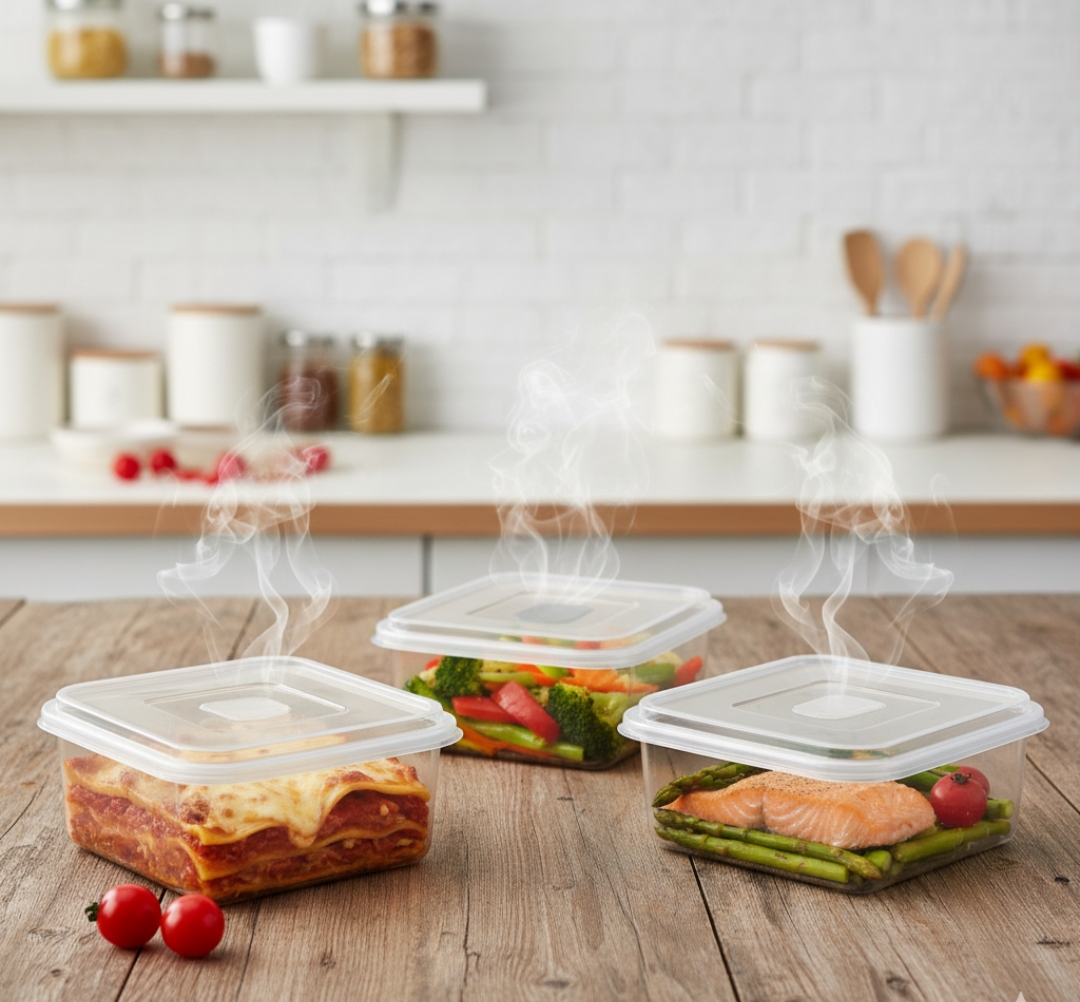
After adding an anti-fog ingredient, the CPP film stops water droplets from forming. Moisture flows evenly throughout the film, keeping it transparent and revealing the food inside. For microwaveable meals, this idea is vital. After microwaving, consumers can see the vivid veggies, correctly portioned proteins, and appetising sauces, making the meal more appealing on the shelf and at home.
Science Behind Anti-Fog Technology
Special coatings or internal additives change the surface tension of CPP film to prevent fogging. These materials help water molecules to create a thin, homogeneous layer instead of droplets. This translucent, non-scattering water layer allows light to pass through the package.
This technology fulfils two vital functions in microwaveable meal packing. First, it keeps food looking appealing in refrigerated or frozen environments, when temperature variations can cause condensation. Second, it lets consumers watch their food cook in the microwave. The user experience, quality, and safety are improved.
Staying Fresh and Flavourful
CPP Anti-Fog Film keeps microwaveable dishes fresh and tasty, extending their appeal beyond their appearance. The film’s moisture barrier keeps food fresh, preventing freezer burn and dehydration. Ready-to-eat meals with grains, vegetables, and meats that are sensitive to humidity require this.
The CPP film also heat seals well, offering airtight packaging that prevents contamination and leaking. This sealing ability retains the delicate balance of flavours and textures and extends meal shelf life. A creamy pasta dish, spicy curry, or crisp vegetable stir-fry arrives at the table as fresh as possible.
Enhancing Visual Appeal and Consumer Confidence
Retailers value first impressions. Consumers make buying decisions in seconds, and container look is crucial. A clear, fog-free window allows them to rapidly assess meal quality, thereby establishing trust and increasing the likelihood of purchase. Even the best food can look bad when dampness ruins the package.
CPP Anti-Fog Film enhances the appearance and taste of food. Its clarity accentuates fresh ingredients, brilliant vegetable colours, and rich sauce textures. This improves the product’s aesthetics and the brand’s reputation for quality and openness.
Manufacturers profit beyond aesthetics. Customers can inspect the goods before purchase to ensure they match their expectations, reducing returns and complaints. Brand loyalty increases with consumer trust, a crucial factor in the competitive microwaveable meal market.
Performance Under Hot Conditions
Microwaveable food packaging must endure high temperatures. When microwaved, plastic films might bend, melt, or emit hazardous substances. However, CPP film can withstand high temperatures without deforming or losing its structural integrity. Its remarkable thermal stability keeps the film unbroken throughout heating, ensuring a consistent cooking experience.
The film’s clarity and moisture resistance are maintained by its anti-fog qualities, even under high temperatures. This allows consumers to see their meal heat up, reducing guesswork and ensuring even heating. The film’s hardness prevents punctures and tears, which are common in packaging for sharp or rigid foods, such as frozen vegetables and meat.
Considerations for Sustainability
Global packaging is becoming increasingly sustainable, and CPP film is a viable, environmentally friendly solution. It’s recyclable, especially in mono-material packaging. CPP can make recyclable packaging with similar polymers, unlike multi-layer laminates that use incompatible plastics.
Manufacturers are exploring ways to integrate CPP Anti-Fog Film into recyclable meal trays and lidding systems. This move decreases environmental impact and attracts eco-conscious consumers who favour sustainable businesses. CPP films’ strength and barrier qualities reduce packaging thickness, saving material without sacrificing performance.
Improved Manufacturer Functionality
CPP Anti-Fog Film improves manufacturing productivity and lowers expenses. Its constant thickness and superior sealing capabilities allow for high-speed packaging with minimal errors. Manufacturers may easily print, laminate, or combine functional layers on the film to produce customised packaging that matches their branding and product needs.
Labelling and printing technologies work well with the film’s smooth surface and excellent clarity. This enables companies to combine functionality with marketing appeal by utilising high-quality visuals that enhance shelf visibility. Since the film works reliably in both cold and hot temperatures, logistics and inventory management are simplified, allowing a single packaging material to serve multiple product lines.
Consumer Experience: Quality and Convenience
Modern microwaveable meals are convenient, but quality must never be sacrificed. People expect their food to look good, heat evenly, and taste good. CPP Anti Fog Film helps achieve these objectives by providing packaging that enhances the dining experience.
Clear, fog-free packaging indicates freshness and care when a consumer retrieves a ready meal from the fridge or freezer. The film remains clear throughout the microwaving process, allowing people to watch their meal being prepared. After heating, the packaging remains intact and easy to handle, ensuring safety and comfort. The dinner looks good, smells good, and feels like it was made with care.
Premium microwaveable meals stand out due to their flawless purchase-to-consumption process. In an era where visual appeal drives consumer engagement across both physical and digital channels, packaging that strikes a balance between appearance and performance is crucial.
Actual Uses and Success Stories
Food makers worldwide are using CPP Anti-Fog Film for ready meals. The film meets various packaging needs, ranging from single-serve pasta to lunch platters and frozen entrees. Some firms have seen improvements in sales and product presentation after upgrading to anti-fog packaging. Consumers like seeing what they’re buying, and businesses get fewer returns and nicer shelves.
The anti-fog feature prevents plastic lids from becoming hazy in chilled food sections with temperature fluctuations. The CPP film stays clear in frozen food aisles despite frequent temperature fluctuations during shipment and storage. This consistency boosts consumer confidence and enhances the brand reputation of packaging innovation-focused firms.
Innovation and Future Prospects
The potential of CPP Anti-Fog Film continues to grow with ongoing studies and advancements in technology. Manufacturers are improving oxygen and scent barriers to lengthen shelf life and retain delicate flavours. To meet global environmental goals, bio-based CPP resins are gaining popularity.
Modern surface coating technologies can provide self-healing or reactivated anti-fog layers, maintaining the film’s functionality after storage. CPP Anti-Fog Film can be integrated into intelligent food packaging systems featuring temperature sensors and QR-coded freshness trackers.
Packaging that performs and looks great will be needed as demand for premium ready meals rises. The combination of convenience, safety, and presentation makes CPP Anti Fog Film a vital player in microwaveable meal packaging.
Conclusion: A Benefit of Modern Food Packaging
Microwaveable meals reflect modern lifestyles that value efficiency and quality. In this rapidly evolving industry, packaging plays a crucial role in a product’s success. CPP Anti Fog Film revolutionises food freshness and attractiveness with unrivalled clarity, heat resistance, and barrier performance.
CPP Anti-Fog Film and Bopp Anti Fog Film enable manufacturers to create microwaveable meals that taste great and look fresh by preventing fogging, ensuring heat stability, and maintaining transparency. It boosts brand image, consumer trust, and sustainable packaging.
As the food packaging business innovates, materials like CPP Anti Fog Film will bridge the gap between practicality and aesthetics, making microwaveable meals better, clearer, and more appealing.