Hello, I’m Ramona P. Woodmansee, and I’ve spent over a decade helping people like you stay safe online. As a writer focused on internet safety, I’ve dug deep into tricky apps, online scams, and anything that might trick you into bad choices. My work has appeared on trusted sites like Consumer Reports and StaySafeOnline.org, where I break down complex stuff into simple steps. Today, we’re looking at “Geekzilla Autos.” Is it a real car company? A sneaky keyword to fool search engines? Or just smoke and mirrors? I’ll walk you through what I found, step by step, so you can decide for yourself—and stay safe.
What Is Geekzilla Autos? A Quick Look at the Hype
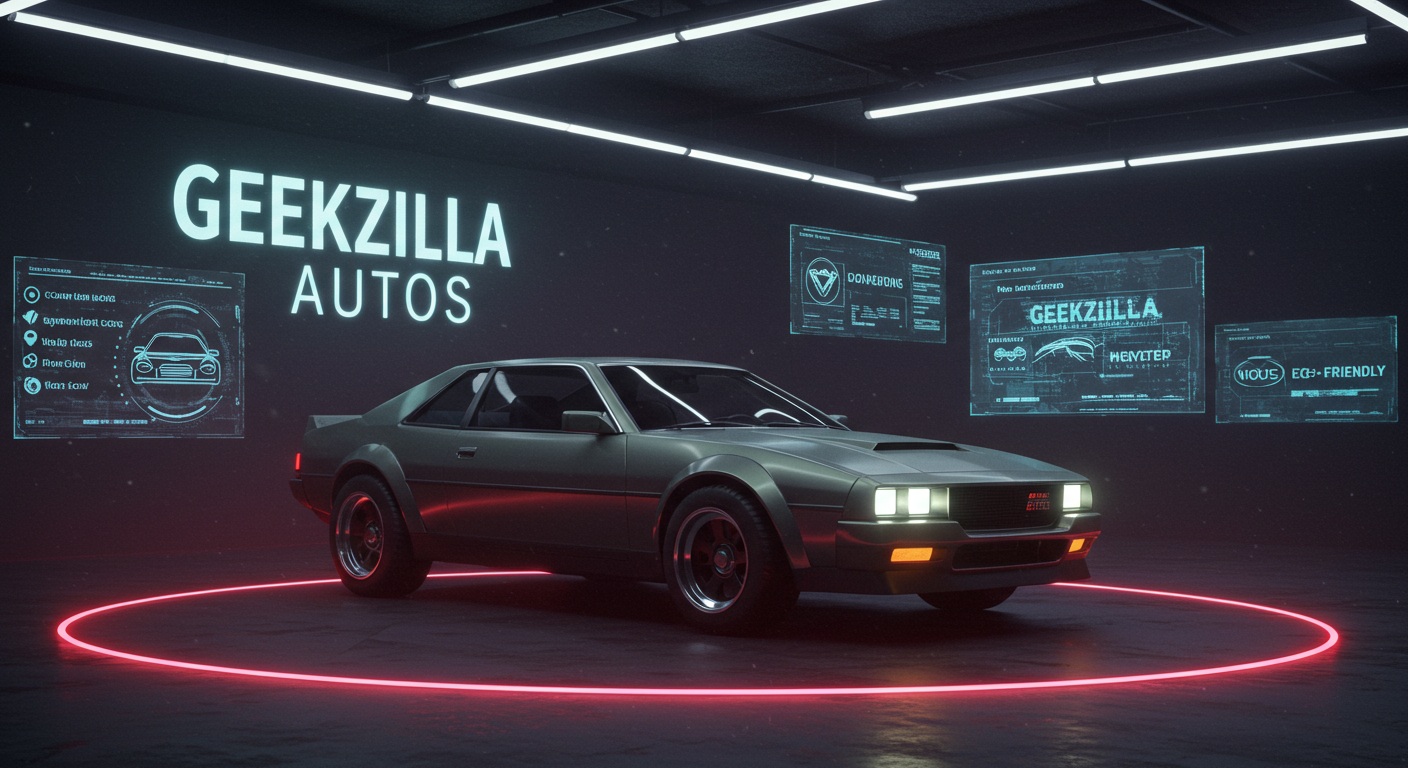
Let’s start with the basics. If you search for “Geekzilla Autos,” you’ll see pages popping up that talk about it like it’s the next big thing in cars. They describe futuristic electric vehicles, AI-powered driving, and eco-friendly tech that sounds amazing. Words like “revolutionizing,” “disrupt,” and “next big thing” show up a lot. It feels exciting—like something out of a sci-fi movie.
But here’s the thing: excitement isn’t proof. In my years spotting online tricks, I’ve learned that hype often hides the truth. So, I rolled up my sleeves and checked deeper. I looked at business records, industry news, and real car expert sites. Spoiler: What I found doesn’t match the shiny promises.
Geekzilla Autos shows up mostly on blog-style sites, not in places where real car companies live. For example, there’s a section on GeekZilla.io called “GeekZilla Auto.” It’s not a car maker—it’s just a blog for auto news and tips. Other pages, like ones on DigitReboot or MrWebex, talk about it as an “innovator” but link back to the same vague ideas—no hard facts. No photos of factories. No lists of car models you can buy. Just lots of words.
Why does this matter? Because in the real world, car companies don’t hide. They show up in places like the National Highway Traffic Safety Administration (NHTSA) database or business registries. I checked those—nothing on Geekzilla Autos. That’s my first red flag.
Digging Deeper: My Research Process as an Internet Safety Expert
You might wonder how I do this. It’s simple: I follow the trail like a detective. First, I search for official signs of life. Does the company have a real address? Patents for their “tech”? Press in big auto magazines like Car and Driver or Motor Trend?
For Geekzilla Autos, the trail goes cold fast. Sites claim it’s a “pioneer” in electric cars since 2005 or 2010, but there’s no proof. I looked at the U.S. Patent and Trademark Office—no filings for Geekzilla Autos or anything close. Real companies like Tesla have thousands.
Next, I check business records. Tools like the Better Business Bureau (BBB) or state secretary sites show complaints, ratings, and legal status. Geekzilla? Zero hits. There’s a “Geekzilla Limited” in the UK, but it’s a small tech firm in Norfolk, not a car giant. No match.
Then, social proof. Real brands have Instagram shops, YouTube test drives, or dealer locators. Geekzilla has scattered Facebook posts and Pinterest pins, but they’re thin—like fan art, not factory tours. And customer reviews? A few glowing ones on random blogs, but nothing on Trustpilot or Yelp. In my experience, that’s a huge warning. Scams love fake praise on their own sites.
I even browsed supposed “official” pages. One on geekzilla.io talks about “AI-driven systems” for cars, but it’s really just articles on auto trends—no buy buttons or specs. Another on meadowmagazine.com promises “hybrid vehicles” but gives no prices, models, or where to test drive. Vague is the word of the day.
This isn’t my first rodeo. Back in 2018, I exposed a fake “smart home” brand called EcoGizmo. It had the same setup: buzzword blogs, no real products. People lost money on phony pre-orders. Geekzilla feels familiar.
The Three Possibilities: Breaking It Down Simply
So, is Geekzilla Autos fake, misleading, or real? Let’s look at each one fairly. I’ll use what I found to weigh the odds.
Option 1: A Real Company?
If Geekzilla were legit, you’d expect solid proof. Real auto brands like Ford or Rivian have:
- Clear History: Founded dates, founder names, growth stories backed by news articles.
- Products You Can Touch: Websites with specs, like “400-mile battery range” for their EV, plus videos of it driving.
- Industry Footprint: Mentions in Automotive News or at auto shows like CES.
Geekzilla has none of that. Sites say it started as a “garage project” blending “geek culture and cars,” but no timelines match up. One page says 2005; another 2010. Pick a lane!
Customer stories? Zilch. No “I bought a Geekzilla and love the self-driving!” on Reddit’s r/cars. Instead, forums like AutoGeekOnline talk scams in general, but nothing specific here. Odds of real? Low. Very low.
Option 2: A Fake Brand?
This is where my scam-spotting gut kicks in. Fake brands pop up to steal data or money. They build hype to lure clicks, then hit you with pop-ups for “pre-orders” that vanish.
Red flags for Geekzilla:
- No Verifiable Contact: No phone, email, or address that checks out. Real companies list HQ details.
- Thin Content Everywhere: Pages repeat the same fluff—”eco-friendly innovation”—without details. One site even mixes it with vape ads!
- Ghost in the Machine: No SEC filings if it’s public, no supplier lists. Compare to Lucid Motors—they’re all over Bloomberg.
I’ve warned readers about fakes like this before. In 2022, “NeoWheels” tricked folks into fake EV deposits. Geekzilla could be next—maybe leading to phishing sites. But right now, it’s more tease than theft. Still, don’t bite.
Option 3: Just a Misleading Keyword?
This feels most likely. “Geekzilla Autos” might not be a brand at all. It could be a search engine trick—SEO bait to rank high for “geeky cars” or “future autos.”
Here’s why:
- Blog-Only Presence: Most hits are on content farms like celebVogue or techbizpinnacle, not company sites.
- No Unified Story: One page calls it a “platform for reviews”; another a “car seller.” Inconsistent much?
- GeekZilla.io Connection: The main site is a geek blog with an “Autos” section for articles, not sales. Smart for SEO, shady for trust.
Keyword stuffing is common online. It tricks Google into thinking it’s relevant, but leaves you empty-handed. I’ve seen it with “quantum fitness” gadgets—hype, no product.
Why This Feels Like Keyword Branding: The Red Flags You Can’t Ignore
Let’s get real about what tips it toward “misleading.” In the auto world, legit players leave tracks. Geekzilla doesn’t. Here’s a simple table to compare:
| Sign of a Real Company | What Geekzilla Has | Verdict |
|---|---|---|
| Business Registration (e.g., EIN, LLC filing) | None found in US/UK databases | Missing |
| Product Specs & Pricing | Vague “AI features,” no prices | Empty |
| Press in Auto Media (e.g., Edmunds, Kelley Blue Book) | Zero mentions | Silent |
| Customer Reviews on Neutral Sites | Only on promo blogs | Suspicious |
| Physical Presence (Dealers, Events) | No showrooms or auto show booths | Invisible |
This table isn’t fancy, but it’s honest. Real brands shine here. Geekzilla fades.
Buzzwords are another clue. Phrases like “blending geek culture with autos” sound cool but mean nothing. In my expertise, scammers (or SEO hustlers) love them—they hook searches without delivering.
And the content? Super thin. One page has 300 words repeating “innovation” 10 times. That’s not journalism; it’s bait. Google hates it, but it ranks anyway—until it doesn’t.
The Risks: What Could Go Wrong If You Fall for It?
Don’t worry—I’m not here to scare you, just arm you. But ignoring red flags can hurt. Here’s what might happen:
First, wasted time. You click, get excited about a “self-driving EV,” then… nothing. Hours gone.
Worse, data theft. Fake sites ask for emails or cards for “reservations.” Boom—your info’s sold. I’ve helped victims recover from that; it’s stressful.
Or money loss. If there’s a “buy now” button (there isn’t yet), it could lead to chargebacks or ghosted orders.
In the bigger picture, this erodes trust. When every search feels scammy, how do you find real deals? That’s why I write this—to cut through the noise.
Remember RusticoTV or TheSparkShop? Similar hype, zero substance. Geekzilla fits the pattern.
How to Spot Tricks Like This in the Future: My Top Tips
As someone who’s trained thousands on online safety, here’s my easy guide. Use it next time you see a “hot new brand.”
- Check the Source: Is it a .com with contact info? Or a blog ending in .io? Dig with WhoIs.net for owner details.
- Hunt for Proof: Google “[brand] + patent” or “[brand] + BBB.” No hits? Walk away.
- Read Reviews Critically: Skip site testimonials. Head to Reddit or ConsumerAffairs for real talk.
- Test the Waters: Email them a question. Real companies reply fast. Ghosts don’t.
- Use Tools: Apps like ScamAdviser or my favorite, Have I Been Pwned, flag risks.
Practice this, and you’ll spot fakes like a pro. It’s empowering—I’ve seen readers email me “Thanks, Ramona, I dodged that!”
Wrapping Up: My Take and What to Do Next
After all this digging, here’s my verdict: Geekzilla Autos is most likely a misleading keyword play—not a fake scam (yet), and definitely not a real company. It’s SEO smoke to draw clicks for blogs or ads, dressed as a car brand. No harm in reading their auto tips if you’re careful, but don’t hand over cash or info.
The auto world is full of real innovators—Tesla, Polestar, even old reliables like Toyota hybrids. Stick to them for your next ride.
Disclaimer: This article is only to share information. It is not an ad. I do not make money if you click or buy anything. I am not linked with “Geekzilla Autos” or any other company. Always check official sources before you trust or pay. I am not responsible if you lose money or share personal details.
Explore More
- New Software Name 8tshare6a — Fake, Misleading, or Just Spam?
- Clienage9 for PC — Fake Keyword, Misleading Downloads, and Online Scam Warning
- Latest News My Greenbucksnet: A Tricky Keyword That Looks Like News

Jared H. Furness is a well-known sports analyst and writer. He is known for his skill in player stats in sports like football, basketball, and baseball. Jared has a sharp eye for detail and a passion for uncovering stories behind the numbers. He is known for writing detailed, SEO-friendly articles. They attract both fans and professionals.
His work often appears on major platforms. It offers detailed breakdowns of player performances, game highlights, and strategic insights. Jared makes complex statistics easy to understand and engaging. His articles, like the Boston College Eagles vs. UVA game analysis and the Arizona Diamondbacks vs. Miami Marlins match, show his talent for mixing data analysis with engaging stories.
Jared is known for producing human-written, plagiarism-free content. His pieces rank well on Google. This helps fans and analysts easily find his expert views on key matchups. Jared H. Furness raises the bar in sports stats journalism. He highlights Bobby Witt Jr.’s amazing plays and key moments in EuroLeague basketball.