

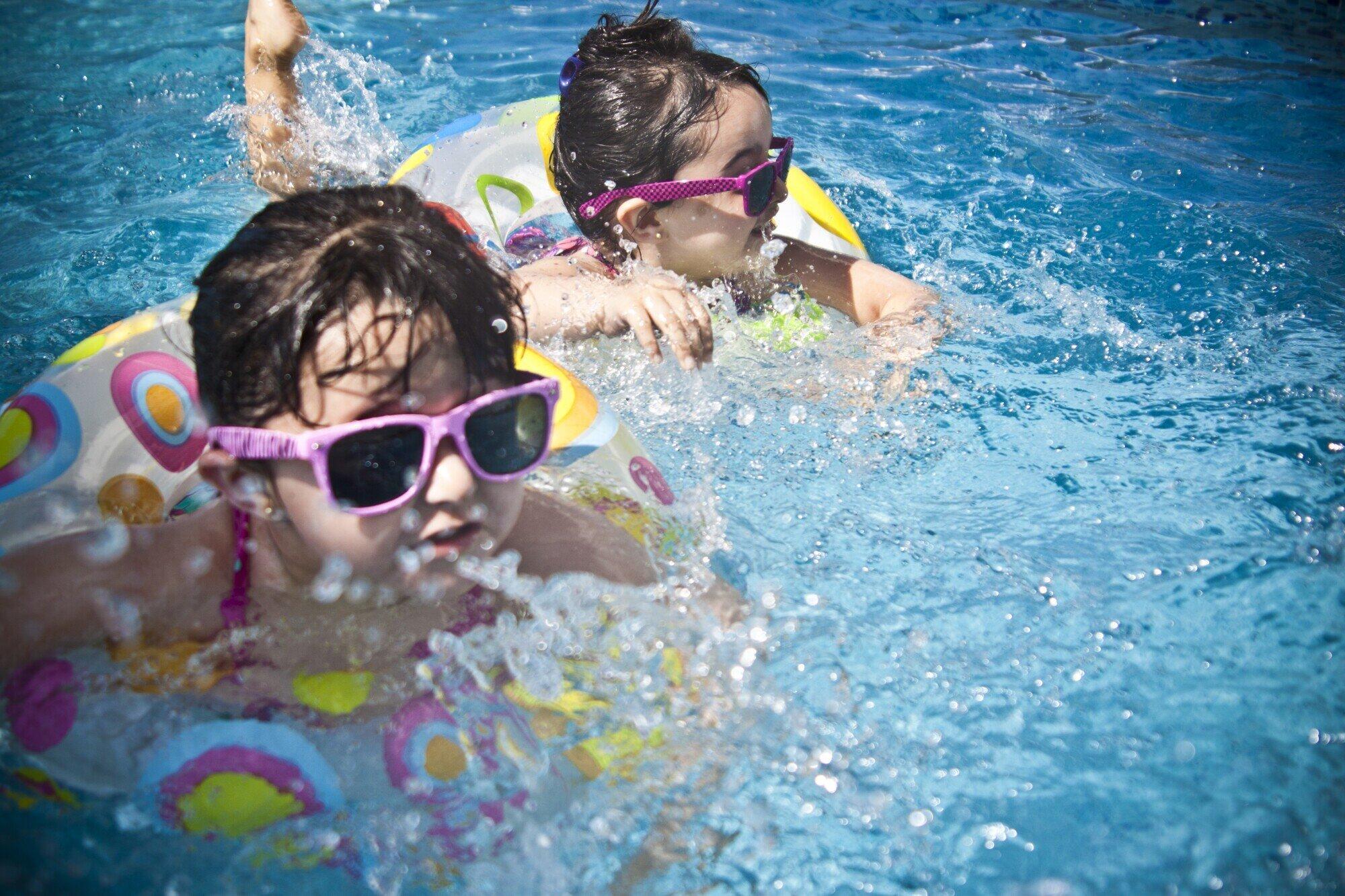
Did you know that learning water safety early can help keep children safe?
When children learn simple water rules, you help them feel calm and ready near pools, lakes, and beaches. You teach them how to float, enter water safely, and ask for help when needed.
These small lessons can lower fear and reduce danger. You also help build habits that stay strong as children grow. Water safety is not about swimming fast. It is about staying aware and making smart choices.
Want to help children enjoy water with more care and confidence? Let’s dive in.
Keeps Children Safe
You help protect children when they are near pools, lakes, rivers, and beaches. Water can be fun, but it can also be risky without the right knowledge. When children learn water safety early, you give them basic skills that help lower danger.
They learn where it is safe to play and where they should stay away. You also teach them to notice signs, barriers, and water depth. These lessons help children understand that water needs care and respect.
With early guidance, children are more likely to stay within safe areas and avoid risky actions that can lead to harm, especially when learning through guided swim classes.
Lowers Risk of Accidents
You reduce the chance of water accidents by teaching clear and simple rules. Children learn not to run near wet floors, pool edges, or docks. They also learn why pushing or rough play near water can be unsafe. These small lessons can make a big difference.
When children know what actions to avoid, they are less likely to slip, fall, or lose balance. You also help them understand the value of adult watch and safe play. This awareness helps lower sudden accidents that can happen in seconds and helps children feel safe.
Teaches Calm Behavior
You help children learn how to stay calm in water. Panic can make any water situation worse. When children know what to do, they feel more relaxed and steady. You teach them to float, hold on to the pool edge, or move slowly if they feel tired.
Calm behavior helps children think clearly instead of reacting with fear. This skill is useful not only in water but also in other stressful moments. Staying calm helps children make better choices and stay safe by practicing being calm.
Builds Safety Habits
You help build safety habits that stay with children as they grow. When water safety becomes part of early learning, it feels natural over time. Children learn to wait for permission before entering water. They remember to use float aids when needed.
They also learn to check the area before playing. These habits become part of daily thinking, not just rules to follow once. Strong habits help children protect themselves even when adults are not close by.
Reduces Fear of Water
You help reduce fear by making water feel familiar and safe. Fear often comes from not knowing what to expect. When children learn water safety early, they gain comfort through simple steps.
They learn how water feels, how their body moves, and how to stay in control. This gentle learning helps replace fear with trust. When fear is lower, children can focus better and enjoy learning new skills. Feeling safe around water helps children grow and feel confident over time.
Improves Listening Skills
You help children improve their listening skills by teaching water rules. Safety lessons require attention, focus, and a clear understanding. Children learn to listen closely to instructions and follow them right away. This practice helps build strong listening habits.
Good listening is important during water play, where quick action may be needed. These skills also support learning in school and at home. When children listen well, they can respond faster and stay safer in many situations.
Teaches When to Ask for Help
You show children that asking for help is a smart and safe choice. Many children try to solve problems alone, even when they feel unsure. Water safety lessons teach them that calling for help is not a weakness.
They learn to raise a hand, shout for an adult, or move toward safety when needed. Knowing when and how to ask for help can prevent small problems from becoming serious ones. This lesson also helps children feel supported and less afraid to speak up.
Helps Children Enjoy Water
You help children enjoy water in a safe and happy way. When children know safety rules, they can relax and have more fun. Clear rules help prevent fear and confusion during play. Children learn that fun and safety can exist together.
Safe play leads to better experiences at pools, beaches, and water parks. When children feel secure, they are more likely to enjoy learning new water skills and spending time with family and friends.
Builds Confidence
You help build confidence by teaching children how to handle water situations. Confidence grows when children know what to do and how to stay safe. They feel proud when they follow rules and use skills correctly.
This confidence helps them feel ready to face new water places, such as deeper pools or open water areas. Strong confidence also supports emotional growth. Children who feel capable are more likely to try new things with care and awareness.
Supports Long-Term Safety
You help protect children not just now, but also in the future. Early water safety lessons create a strong base that lasts into the teen and adult years. As children grow, they face more water settings and less direct supervision.
The skills and habits learned early help guide safe choices later in life. Long-term safety comes from steady learning and practice. By starting early, you give children tools that support safety, confidence, and smart decisions around water for many years to come.
Teaches Respect for Water
You help children learn that water is powerful and needs care. Water can be fun, but it can also be dangerous if not respected. Teaching children early about water shows them that even calm-looking water can hide risks.
They learn to approach water carefully and avoid reckless actions. Respect for water also means listening to adults, following rules, and understanding limits.
When children respect water, they treat it with attention and care. This respect grows as they get older, helping them enjoy swimming and playing safely in pools, lakes, rivers, and beaches.
Spots Danger Early
Children learn how to notice dangers before they become serious problems. Simple skills, like watching water depth, noticing slippery surfaces, or seeing sudden waves, can prevent accidents.
You help children understand signs and warnings near water. They learn to pay attention to adults and lifeguards. Early water lessons teach children to think ahead and act safely.
They start to recognize when water conditions are unsafe, and they learn not to take unnecessary risks. Spotting danger early also builds confidence because children feel in control when they know what to watch for.
Improves Balance and Control
Water helps children develop better balance and control of their bodies. Moving in water is different from moving on land. Children learn how to adjust their arms and legs to float, swim, and stay steady.
You help them practice movements slowly and safely. These skills make them stronger and more coordinated. Good balance reduces slips and accidents near pools and wet areas.
Children who improve control in water also develop more body awareness on land. They learn how to move safely, manage energy, and adjust to changes around them.
Encourages Patience and Focus
Learning water safety teaches patience. Children cannot learn all skills in one day, and they need practice. You help children take small steps, repeat exercises, and focus on instructions. This builds patience and attention span.
They learn to wait for turns, listen carefully, and follow guidance from adults or instructors. Focus helps children respond correctly in emergencies and during play.
Practicing patience also teaches them that learning new things takes time. When children stay calm and pay attention, they can enjoy water activities safely and feel proud of their progress.
Promotes Safe Behavior Around Boats
Children also need to learn safe actions near boats, docks, and water rides. You teach them not to run, push, or jump near boats. They learn to wear life jackets and follow rules around moving water vehicles.
These lessons show that safety is important everywhere, not just in pools. Understanding how to behave near boats also helps children enjoy boating trips and water rides without fear.
They feel more secure because they know what actions to take to avoid accidents. Safety near boats is an important skill that protects both the child and those around them.
Prepares for Group Swim Activities
Early water lessons help children get ready for school or group swim activities. Being in a group can be overwhelming at first, but learning rules and basic skills beforehand makes it easier.
Children practice waiting for their turn, listening to instructions, and cooperating with others. This preparation allows them to join classes, team activities, or swimming events with confidence.
They feel included and less nervous. When children are prepared, they also contribute to the safety of the group by following rules and helping others learn. These early lessons create a strong foundation for social and physical growth in water.
Reduces Stress for Caregivers
Teaching children water safety early also reduces stress for parents and caregivers. Knowing that children understand rules and basic skills gives adults peace of mind. You help children act carefully, follow instructions, and stay within safe areas.
This lowers worry during pool visits, beach trips, or other water activities. When children are guided by proper lessons, caregivers can watch with confidence, knowing the children have learned to stay alert.
Reduced stress for adults also makes water activities more enjoyable for the whole family. Everyone can focus on fun while maintaining safety.
Builds Trust with Instructors
Children learn to trust teachers, instructors, and helpers during water lessons. They see that adults are there to guide, protect, and support them. Trust allows children to listen and follow instructions more easily.
They feel comfortable asking questions, sharing concerns, and trying new skills. Building trust also strengthens the child-adult bond, which is important for learning and safety.
When children trust instructors, they respond better in emergency situations and feel more confident practicing new water skills. This trust creates a positive environment where learning and safety go hand in hand.
Supports Healthy Activity
Water play encourages physical activity that is both fun and healthy. Swimming and moving in water work many parts of the body, including arms, legs, and core muscles. You help children build strength, endurance, and coordination.
Water activity is also gentle on the joints and muscles, making it suitable for children of all ages. Healthy water play can improve overall fitness, support growth, and promote better sleep.
Children enjoy exercise without realizing they are building strong bodies. By combining safety lessons with fun movement, children develop habits that encourage lifelong healthy activity.
Gives Skills to Help Others
Water safety lessons also give children skills to protect themselves and others. They learn how to react in emergencies, help a friend in need, and follow safety protocols. Teaching them these skills builds awareness and responsibility.
Children understand that helping others safely is part of respecting water and rules. These skills may also save lives in real situations. By learning early, children are better prepared to stay alert, act wisely, and support others near water.
Developing these abilities teaches compassion, responsibility, and confidence, making children more aware and capable in all water settings.
Encourages Responsibility
Children learn that safety is their responsibility as well as an adult’s. They learn to follow rules, watch out for themselves, and help others. Responsibility teaches children to think before they act and consider the effects of their choices.
When children take responsibility for their safety, they gain independence and maturity. These lessons make them aware that their actions have real consequences and help them grow into careful, capable individuals both in water and in life.
Stay Safe and Confident Around Water
Introducing children to water safety early gives them the skills and confidence to enjoy water safely. They learn to stay calm, follow rules, and recognize dangers while having fun.
Early lessons build respect for water, strong habits, and awareness that lasts as they grow. These skills help children feel secure, enjoy activities, and make smart choices around pools, lakes, rivers, and beaches.
Did you find this article helpful? You can check out our website for more awesome content like this!