

Many people think about what happens to their belongings when they pass away. This is where probate comes in.
What is probate? It is a legal process that takes place after someone dies to make sure their wishes are followed and their assets are distributed properly.
But is probate always necessary? Understanding when it is needed can help ease confusion during a difficult time.
What Triggers Probate?
Probate is triggered when a person dies, and their assets must be dealt with. Not every situation will require probate, but several factors will determine if it does. The main trigger for probate is whether the deceased person had assets in their name alone.
Assets like bank accounts, real estate, and personal property typically go through probate if there is no designated beneficiary. However, if a person had joint accounts or designated beneficiaries, those assets may bypass probate.
Assets That Go Through Probate
To understand whether probate is necessary, let’s look at the types of assets that usually go through the process. These include real estate that the deceased owned alone, bank accounts without a named beneficiary, and cars or personal items that are solely owned.
Any asset owned solely by the deceased generally enters the probate process. Additionally, if the deceased left a will, probate is important to ensure its validity. The will needs to be recognized by the court as the true wishes of the deceased.
When Is Probate Not Needed?
It’s possible to avoid probate in several situations, easing the stress of the process. If the deceased’s assets were held jointly with another individual, the surviving owner automatically takes full ownership.
Assets placed in a trust can be transferred without going through probate. Beneficiary-designated accounts, like life insurance policies or retirement accounts, pass directly to the named beneficiaries, bypassing probate altogether.
Every state has different rules regarding the value of assets that can go through probate. Smaller estates may qualify for simplified processes or exemptions. This information is important to know, as it can significantly impact whether probate will be necessary.
The Role of a Probate Lawyer
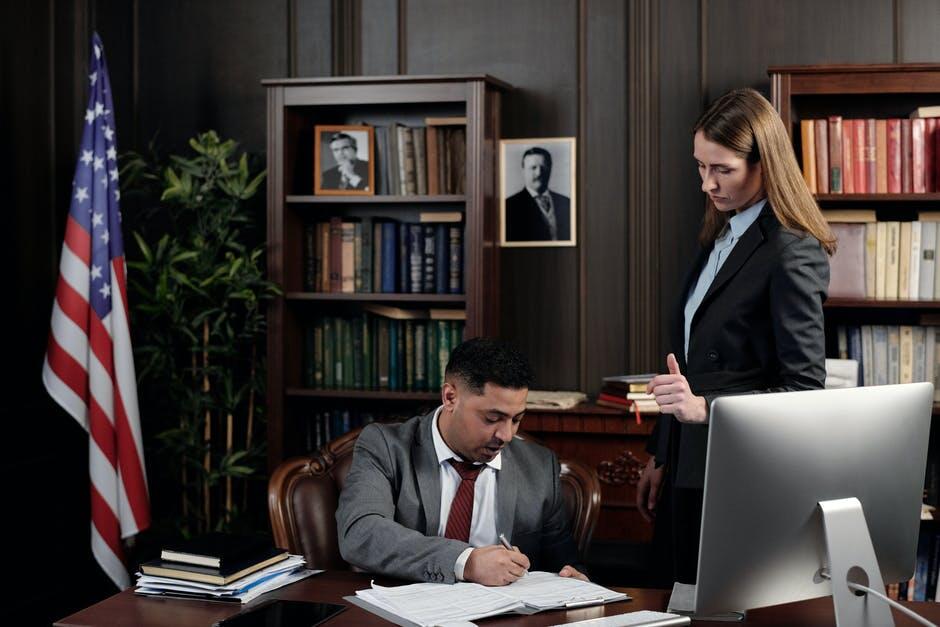
When dealing with probate, having a knowledgeable advocate can make a big difference. A probate lawyer can help navigate the complexities of this legal process.
These professionals understand the laws in your area and can provide valuable advice. They can guide you through filing documents, dealing with any disputes among heirs, and ensuring that all processes are handled according to the law.
Emotional Considerations
Understandably, probate can be an emotional time for families. The loss of a loved one is difficult enough without adding legal issues to the mix.
Managing everything from finances to family relationships can feel overwhelming. It’s essential to have support during this time, both from professionals like a probate lawyer and from friends and family.
How to Prepare for Probate
While it might feel daunting, there are steps you can take to prepare for probate even before it’s necessary. Organizing your important documents, including wills and financial records, can help when the time comes.
Talking to family members about your wishes might seem uncomfortable, but it will make things smoother later. Consider consulting with a probate lawyer before any issues arise to ensure all your bases are covered.
Learning About Probate
Understanding when probate is necessary can simplify the process during a challenging time. Always remember the value of seeking professional help. A probate lawyer can provide guidance and clarity, allowing you to focus on healing and supporting each other.
Check our website for more.