

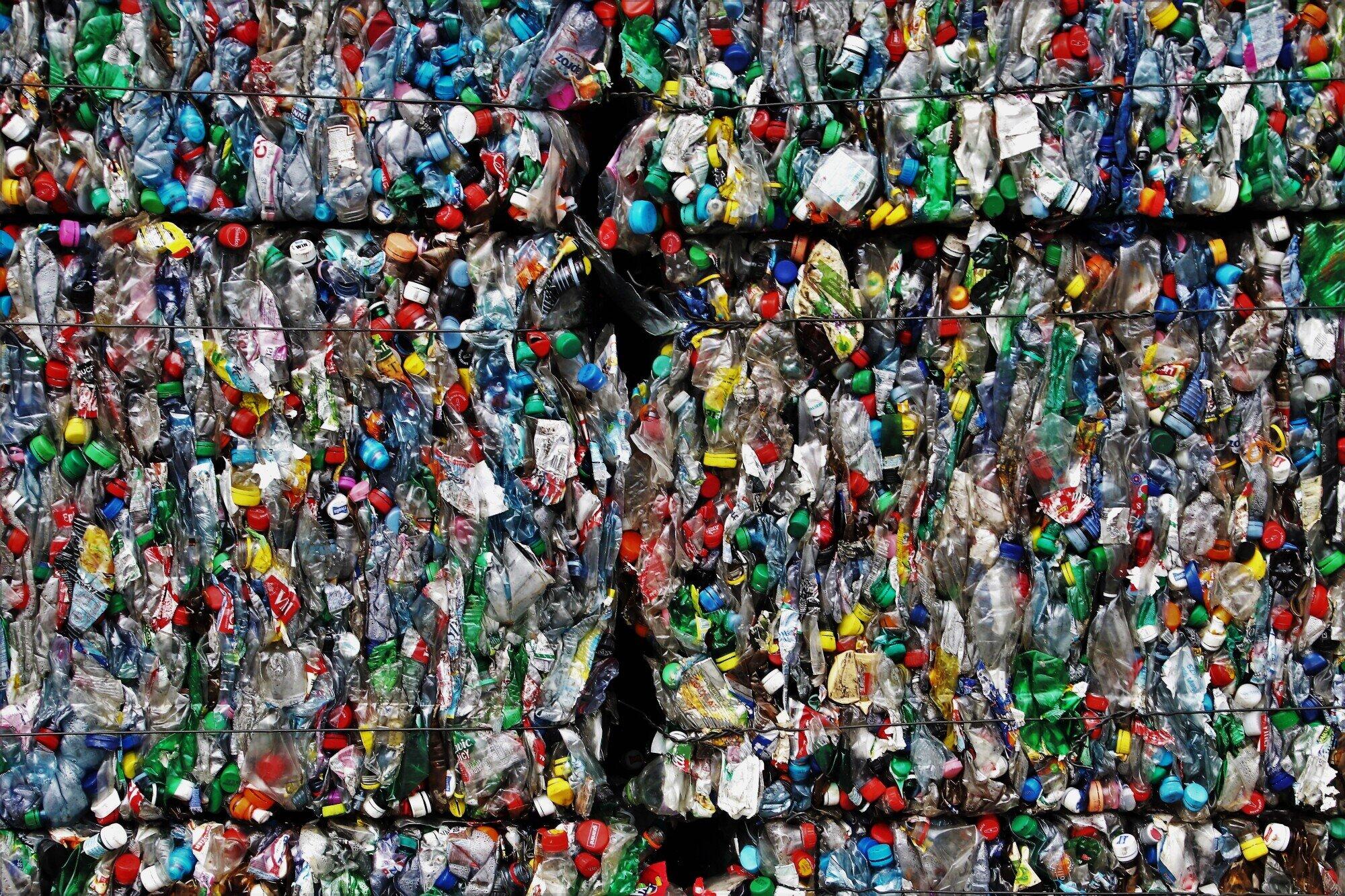
Every year, millions of tons of plastic waste are produced worldwide. There are million tons of plastic produced annually, and only a fraction of it is recycled. This high level of plastic waste contributes significantly to environmental issues, with increased pollution and a rising carbon footprint.
So, how can we tackle this pressing issue? One effective solution is establishing a plastic recycling washing line. Understanding how to choose the right plastic recycling washing line is vital to help manage plastic waste effectively. Read on.
Understanding Plastic Recycling
Plastic recycling is the process of collecting and processing plastic waste to create new products. This process has a few stages: sorting, shredding, washing, and pelletizing the recycled plastic.
The main goal is to cut down on plastic waste’s environmental impact. We also want to lower the carbon footprint from making new plastic products.
The Importance of a Washing Line in Plastic Recycling
A washing line is essential for any plastic recycling operation. Plastic waste can have dirt, labels, and other contaminants after collection. These can lower the quality of recycled material.
A washing line for plastic recycling ensures that these impurities are removed, resulting in cleaner and higher quality plastic that can be reused to make new products. Clean recycled plastic can fetch a better price in the market, making recycling operations more profitable.
Factors to Consider When Choosing a Washing Line for Plastic Recycling
Choosing the right washing line for plastic recycling is not just about purchasing equipment; it involves understanding your specific needs and operations. Below are some factors to consider:
Type of Plastic Waste
First and foremost, consider the types of plastic waste that will be processed. Different plastics have unique properties and may require specific washing techniques.
For instance, PET (polyethylene terephthalate) plastics, often found in water bottles, differ from HDPE (high-density polyethylene) plastics used in containers. Knowing the types of plastics helps you select a washing line that suits your recycling requirements.
Capacity of the Washing Line
The capacity of the washing line is crucial to meeting your recycling goals. It should match the volume of plastic waste you expect to process.
If you plan to handle larger quantities, investing in a high-capacity washing line is beneficial. On the other hand, if your operation is small, a smaller model might suffice. Ensure you analyze your operational needs to avoid over- or under-investing in equipment.
Technology and Features
Modern washing lines come equipped with various technologies that improve efficiency. Look for automation features, which can reduce manual labor and enhance processing speed.
Additionally, advanced washing technologies can effectively remove contaminants, resulting in cleaner output. Some washing lines also incorporate drying systems, which can save time and energy in the recycling process.
Energy Efficiency
Energy consumption is another critical aspect to consider when selecting a washing line for plastic recycling. Equipment that utilizes less energy is not only environmentally friendly but also cost-effective in the long run. Energy-efficient machines can significantly reduce your operational costs and lower your overall carbon footprint, aligning with sustainability goals.
Maintenance and Support
Regular maintenance of the washing line is necessary for optimal performance. When choosing equipment, consider the availability of support and replacement parts from the manufacturer.
It’s essential to partner with a supplier that offers reliable customer service and technical support. This can save time and money when unexpected issues arise.
Benefits of Implementing a Quality Washing Line for Plastic Recycling
Investing in the right washing line for plastic recycling comes with numerous benefits. These include:
Improved Quality of Recycled Material
A quality washing line removes dirt, labels, oils, and other contaminants from plastic waste. This thorough cleaning process improves the purity and consistency of recycled plastic. As a result, the final product meets higher manufacturing and industry standards.
Cost Efficiency
Cleaner and higher-quality recycled plastic commands better market prices. Reduced contamination also lowers production losses and minimizes equipment wear. Over time, this leads to increased profitability and a faster return on investment.
Environmental Impact
Effective washing allows more plastic waste to be recycled instead of sent to landfills. This process helps reduce environmental pollution and conserves natural resources. Additionally, improved recycling efficiency contributes to a lower overall carbon footprint.
Regulatory Compliance
Many regions enforce strict regulations on plastic recycling and waste management. A reliable washing line helps ensure recycled materials meet legal cleanliness and safety requirements. This reduces the risk of fines, penalties, or operational disruptions.
Real-World Applications of Plastic Recycling Washing Lines
Across the globe, companies are establishing successful recycling operations by incorporating efficient washing lines. For instance, numerous nations have introduced recycling programs that effectively convert plastic waste into new products.
In Europe, many countries are ahead in plastic waste processing, using cutting-edge technology to enhance recycling efficiency. They showcase how investing in a functional washing line can lead to higher recycling rates and lower carbon footprints.
Steps to Implementing Your Plastic Recycling Washing Line Solution
Once you have decided on the type of washing line for plastic recycling, it’s essential to implement it properly to gain the best results. Here are the recommended steps:
Assess the space where the washing line will be installed. Ensure it is accessible and has the necessary utilities, such as water and power.
Proper training for the staff is vital for the smooth operation of the washing line. They should understand the equipment, maintenance procedures, and safety protocols.
Keep a close eye on the washing line’s performance. Regularly check for any signs of wear and address maintenance needs promptly.
Get feedback from your team on how the washing line works. Then, make changes to boost efficiency. Understanding the operation helps in optimizing the process further.
Making a Sustainable Choice
Choosing the right washing line for plastic recycling is an essential step in addressing the global plastic waste crisis. To make a good choice, think about these factors: plastic type, capacity, technology, energy efficiency, and maintenance support. This will help your operation and the environment.
Investing in good equipment gives you cleaner recycled materials. It also cuts operational costs and greatly reduces your carbon footprint. Be proactive in implementing your plastic recycling strategy, and contribute positively to a sustainable future.
If you enjoyed this article and would like to read more like it, please check out the rest of our blog today.