Foot issues often begin with minor aches that seem easy to ignore, yet these early signs can grow into problems that interfere with daily routines. Many people wait until pain becomes persistent, which leads to longer recovery and more complex treatment.
Portland’s health data shows how lifestyle factors add strain. About 28.2% of adults fall into the obese category, and that extra weight increases pressure on the feet. A busy urban lifestyle adds further stress through long periods of standing, walking on hard surfaces and wearing unsupportive shoes. These factors gradually weaken the structures that keep the feet steady. Early attention to discomfort helps prevent complications and makes common foot problems easier to manage.
Plantar Fasciitis: Heel Pain That Lingers
Plantar fasciitis is one of the most common causes of persistent heel pain. It occurs when the thick band of tissue along the bottom of the foot becomes irritated, often resulting in sharp discomfort during the first steps of the day or after long periods of rest. Repeated strain, worn-out shoes, or a sudden increase in physical activity can all contribute to the issue.
In a city like Portland, where walking, hiking, and outdoor recreation are part of daily life, the feet often absorb extra stress, especially when footwear lacks proper support. If you’re looking for a podiatry expert Portland has many experienced providers offering comprehensive foot and ankle care. A podiatry specialist can assess the underlying cause of the pain and recommend targeted treatments that support healing and prevent flare-ups.
Bunions: Bony Bumps and Misaligned Toes
A bunion forms when the big toe shifts toward the second toe. That shift creates a prominent bump at the base of the toe, which becomes irritated inside shoes. Genetics, arthritis and tight footwear all play a role. Many people notice mild soreness before the toe visibly changes position.
Pressure on the joint grows over time, leading to swelling and difficulty wearing regular shoes. Early attention helps slow the progression. Wide-toe-box footwear, protective padding and custom support can reduce discomfort. Severe bunions may require surgical correction, though early care often keeps symptoms manageable.
Athlete’s Foot: Itchy, Burning Fungal Infections
Athlete’s foot develops when fungus thrives in warm, damp spaces between the toes. It often starts with peeling skin or an itchy sensation that feels easy to dismiss. Shared showers, locker rooms and sweaty socks create conditions where the infection spreads quickly.
Ignoring the problem can lead to cracked skin, persistent odor or even secondary bacterial infections. Clean, dry feet and breathable footwear lower the risk significantly. Antifungal treatments usually work well when used consistently. Persistent symptoms deserve a closer look to prevent the infection from spreading to other parts of the foot.
Ingrown Toenails: Painful Nails That Dig In
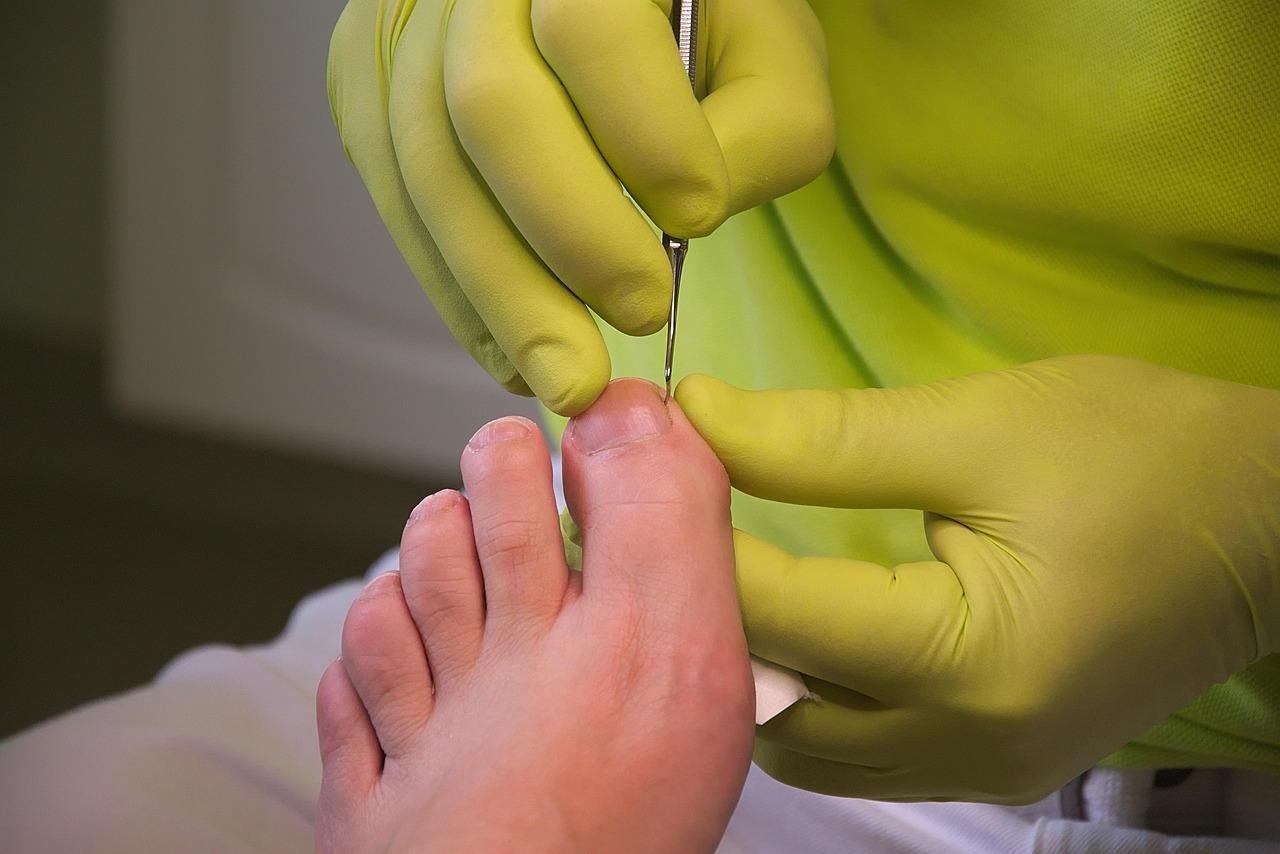
An ingrown toenail occurs when the nail edge grows into the surrounding skin. Tight shoes, stubbing the toe or trimming nails too short commonly set the stage for the problem. Redness, swelling and sharp pain follow as the nail presses deeper into the skin.
Mild cases often respond to gentle soaking and proper trimming techniques. Recurring pain or visible infection should be treated promptly to avoid complications. Professional care helps reshape the nail and prevent future irritation, which keeps walking comfortable and reduces the risk of repeat infections.
Heel Spurs: Hidden Bone Growths Causing Discomfort
Heel spurs form when calcium deposits accumulate under the heel bone. Many people discover them after weeks of unexplained heel pain, especially during long periods of standing or walking. Repeated stress on the foot or long-term inflammation contributes to the formation of these small growths.
Proper evaluation helps determine whether the spur or the surrounding tissue causes the discomfort. Supportive footwear, stretching and targeted treatments can ease the strain and improve daily comfort. Addressing symptoms early prevents the pain from becoming a constant barrier to regular activity.
Flat Feet & Fallen Arches: When Support Is Missing
Flat feet develop when the arches sit lower than usual or appear to collapse during walking. Some people are born with this structure while others develop it over time due to aging, injury or consistent strain. The lack of arch support affects how the foot absorbs impact, which places extra stress on the ankles, knees and hips.
Many individuals notice tired feet after short periods of standing or walking. Others experience ankle rolling or balance issues. Supportive inserts and strengthening exercises often make a noticeable difference. A professional evaluation helps determine whether custom orthotics or physical therapy can improve alignment and ease discomfort before it becomes persistent.
Foot problems often begin with symptoms that feel too small to matter. A little soreness, a bit of skin irritation or occasional fatigue seem manageable at first. Those early signs deserve attention because the feet carry the body through every task of the day. When pain becomes familiar, movement changes, and activities that once felt easy start to require extra effort.
Awareness helps prevent that progression. Supportive footwear, consistent hygiene and regular self-checks make a meaningful difference. A professional evaluation becomes valuable when discomfort persists or new symptoms appear. Timely care keeps small issues from turning into chronic conditions, which protects long-term comfort and mobility.

Dorothy I. Johnson is the heart and soul of Flash Flyer Blog’s writing team. Dorothy loves storytelling and finds the extraordinary in everyday life. She has a unique voice for sharing travel stories, tech trends, wellness tips, and food finds. Her relatable style makes complex ideas easy to grasp. She also turns simple moments into captivating stories. Dorothy’s background and curiosity inspire her to make content that connects with readers. They can find either practical tips or new viewpoints in her work. When she’s not writing, she likes to explore new places. She experiments in the kitchen or dives into a new personal growth book.