

Photo by James Hose Jr on Unsplash
You know you should, and most of the time, you desire to, but you seldom do it, because it’s often not the moments when you sit down to finally reflect on retirement, or whether you should retire or our long term health, say, or the reality of looking beyond the comfort zones where life itself in 20 years or twenty years from here, it all gets to just these quiet, random “scenes.” Perhaps sipping lukewarm coffee. Perhaps it’s after a long walk is gone and your legs are mildly sore, but you sense, oh yeah, life is going by, even if you do not know if you’re planning or not. You’ve been thinking lately about how planning for the future is being gentle about trying, about being honest with ourselves more, about not just perfection in the spreadsheet. There are days that honesty is easy and days in which it’s a little uncomfortable, like trying on jeans that don’t fit but remind you of things you don’t think about.
#1 Taking Stock Of Where You Are
Before you can plot your way forward to a path out of whatever state you want to land, it’s helpful to slow down as you consider where you’re already at. Never a hurried or overly technical look. Just a calm one. Perhaps you realise your health tends to be pretty good, but you’ve been planning to schedule that checkup. Your savings may be fine, but they are erratic. You may feel anxious about your financial literacy or glad of the small things that you quietly did for yourself last year. All of that counts.
You find that launching into some little things, like reading about your monthly expenses or checking your coverage from an insurance company, could be the way to open a wider question: What kind of life do you want in retirement? What do you really think of comfort? These questions take time. They don’t always provide straight answers, but they seed plants. And seeds do what seeds do. They grow.
#2 Personalise Health Planning
Health is one of those things we sometimes take for granted until it tells us not to. If you are considering retirement, health planning is as critical as financial planning. Sometimes more. You don’t have to overhaul everything today. Maybe just write a small list. A few things you’d like to change. More walks. A regular appointment schedule. Perhaps an updated health directive filed in a secluded corner, where someone can find it.
These gentle steps provide a sense of control that is oddly warm and soothing. But retirement also means not knowing. The feeling of being prepared, even in small ways, softens that unknown.
#3 Emotional Stuff You Avoid
There’s also the emotional dimension, the one people shy away from. Understandably. Planning for the future comes from knowing life’s got chapters. And endings. And sometimes the unkind truth that we won’t be here forever. You will acknowledge that part can be pretty heavy on my chest. But it’s also about loving yourself, and the people who love you.
You find, when people speak openly about them, even if only a little, it diminishes some of that fear. Suddenly, estate planning, advanced care decisions and even the choice of urns for cremation ashes by Memorials.com are less terrifying and more like an act of love. A gesture saying, I’d like it to be easier for you later. It does not make anything bad happen just by talking about it. It just brings clarity.
#4 Money Planning Without The Panic
Retirement planning is considered to be inflexible and cold, and full of jargon. But it doesn’t really have to look like that. Sure, there are numbers and charts and maybe on one occasion at least, when you sigh dramatically and wonder where you left all your money in your twenties. Even so, the process can be grounding, even hopeful.
Start messy if you need to. Write down what you make, what you owe, and what you want. Watching your random financial thoughts begin to come together into a cohesive thing is surprisingly empowering. You do not have to be perfect. You do not have to overnight become the most disciplined budgeter in the world. Just go forward in your own just slightly edgy way.
#5 Forming A Lifestyle That Fits You

Retirement is not the cessation of work. It is the existence of a life you select. Maybe it’s slow mornings, volunteer work, gardening or travel or even just quiet days when you don’t have to be rushing. And the beauty of planning is that you literally can build that picture long before you even get there.
There are also lifestyle habits that tend to make retirement more agreeable, too. Good habits that are as appropriate for you as you get older. Social ties that keep loneliness from creeping in. Basic hobbies that give your days texture. I hear from several retired people that the biggest surprise for them was what joy they got out of small things. Cooking new recipes. Reading books they purchased years ago but never got to. Watching birds. Calling old friends.
#6 Preparing Loved Ones Too
Future planning is not just for you. It’s also for the people who will walk through those chapters with you or after you. Sharing passwords, making a will, updating beneficiaries, arranging documents, and even discussing your wishes for care or memorial arrangements. These conversations are delicate. And often just a touch off. But they matter.
It is strangely reassuring to know that your people won’t have to scramble and guess your wishes. Planning gives them a map. Even a loose and slightly crumpled map is a step up when there is no map at all.
#7 Owning To Acknowledge Yourself as a Work In Progress
Something you want to say, for so many of you, is that you don’t have to plan retirement like a perfect adult with everything all out. Most people are improvising. And most people are learning as they try. And, honestly, you think that’s alright. In fact, it is entirely normal.
On some days, you will feel inspired, and on others, everything will feel tiring. Like everything else, planning comes with seasons. Let yourself ebb and flow. The important thing is that you continue to come back to the process, very gently.
#8 Conclusion
Planning for the future isn’t at all the same thing. It is a practice. A slow, intimate, sometimes emotional one that helps fashion the life you’re heading. When you take the time to consider what you want from your health, your finances, your home, and your older years, you provide value for yourself. You give yourself ease. And you also bring clarity to your loved ones. You are not looking for perfect systems or checklists. You just need to show up, halfway through, to do the work with a half-done to-do list and a cup of cold coffee, a long time ago.
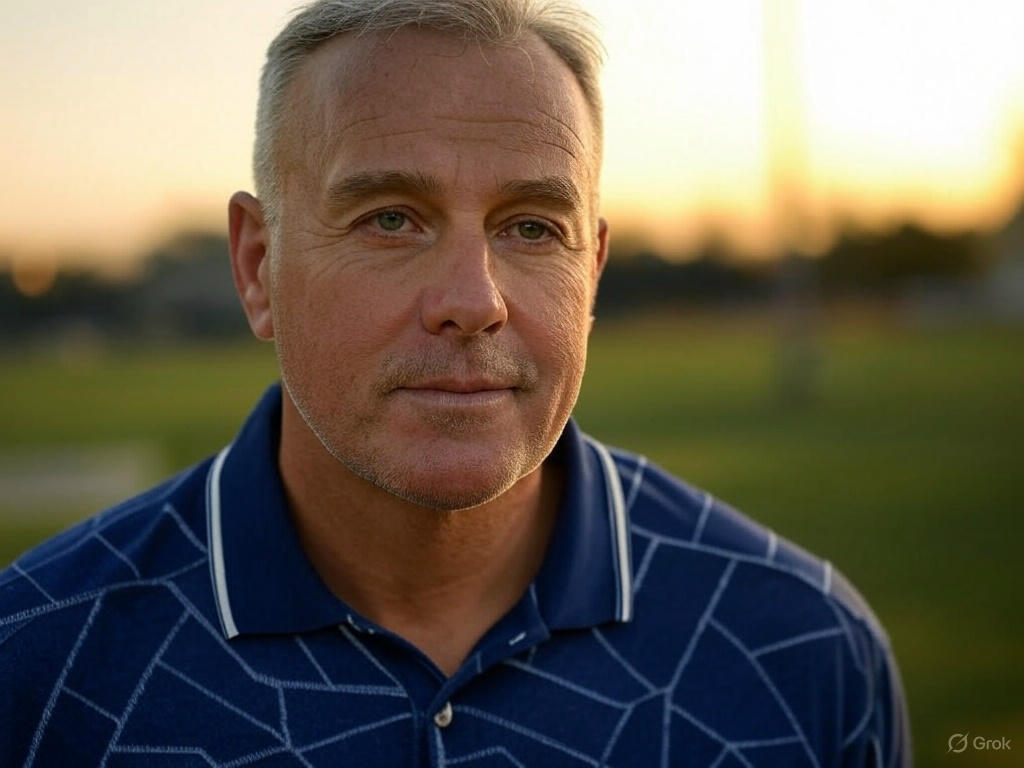
Jared H. Furness is a well-known sports analyst and writer. He is known for his skill in player stats in sports like football, basketball, and baseball. Jared has a sharp eye for detail and a passion for uncovering stories behind the numbers. He is known for writing detailed, SEO-friendly articles. They attract both fans and professionals.
His work often appears on major platforms. It offers detailed breakdowns of player performances, game highlights, and strategic insights. Jared makes complex statistics easy to understand and engaging. His articles, like the Boston College Eagles vs. UVA game analysis and the Arizona Diamondbacks vs. Miami Marlins match, show his talent for mixing data analysis with engaging stories.
Jared is known for producing human-written, plagiarism-free content. His pieces rank well on Google. This helps fans and analysts easily find his expert views on key matchups. Jared H. Furness raises the bar in sports stats journalism. He highlights Bobby Witt Jr.’s amazing plays and key moments in EuroLeague basketball.