

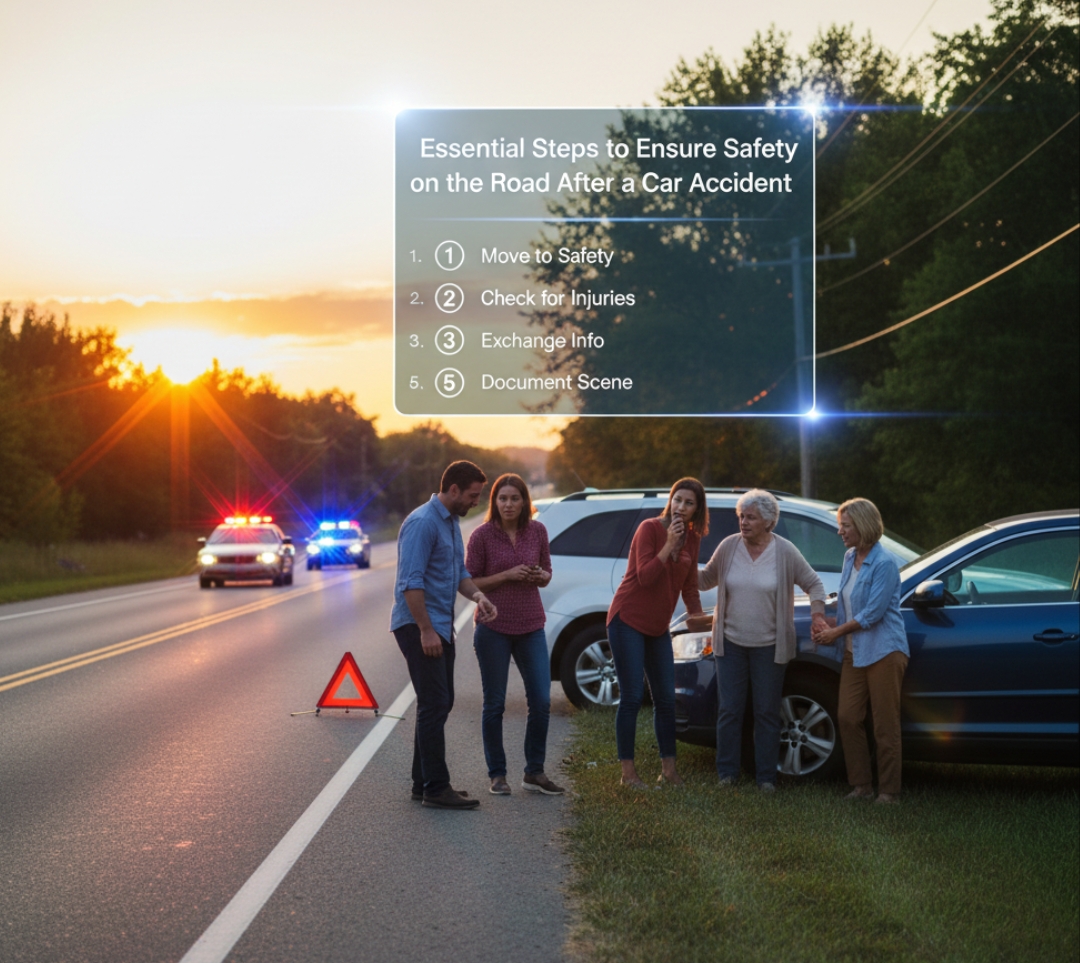
Car accidents can happen suddenly, often leaving those involved feeling anxious and disoriented. Taking the right actions in the moments following a collision can be crucial for your well-being and legal standing. Whether you’re a seasoned driver or a new motorist, familiarizing yourself with the appropriate steps will help you stay protected and organized. If you’re ever uncertain about your next move, consulting a qualified car accident lawyer Indianapolis can offer you guidance and help safeguard your rights as you navigate the aftermath.
In the confusion that often accompanies accidents, prioritizing safety, documentation, and prompt communication can make a difference in your recovery and in the handling of insurance or legal issues. Acting with clarity and purpose also helps ensure that all individuals involved are safe and that the situation is managed in accordance with state and local laws.
It’s important to know that your actions in the moments after an accident are not just about compliance—they are also about reducing the risk of further harm and making sure you are in the best possible position to recover physically, financially, and emotionally. Don’t underestimate the importance of seeking both medical and legal support when the unexpected happens.
Those who take comprehensive steps after an accident—securing the scene, gathering information, and contacting professionals set themselves up for a smoother, less stressful recovery.
Immediate Safety Measures
When a car accident occurs, your initial priority should be keeping yourself and your passengers safe. Immediately activate your vehicle’s hazard lights to signal to other drivers that an emergency is in progress. If your car is operable and it’s safe to do so, move it to the shoulder or a nearby safe area, out of traffic. If you cannot move the vehicle, remain inside with your seatbelt fastened, as this protects in the event of a secondary collision.
Safety experts recommend that all occupants keep their seatbelts on until it’s confirmed that danger has passed, regardless of the severity or location of the crash. According to the National Highway Traffic Safety Administration (NHTSA), seatbelts are a primary defense against serious injury in accidents. Encourage all passengers to do the same and avoid standing around the vehicles on a busy road, which can increase the risk of further accidents.
Contacting Emergency Services
Once you’ve ensured your immediate safety, promptly call 911. Even if injuries aren’t readily apparent or the vehicles appear drivable, reporting the accident is critical, especially when there’s property damage or uncertainty about injuries. Trained dispatchers will send appropriate resources—including police and ambulances—to the scene. Police presence also helps with traffic control and provides an official report of the incident, which is invaluable for future insurance and legal purposes.
If anyone is hurt, provide first aid to the extent of your ability until professionals arrive, but avoid moving anyone with possible neck or back injuries unless necessary for safety reasons. Stay calm and answer the dispatcher’s questions precisely, providing your location, the number of vehicles involved, and whether medical assistance is required.
Documenting the Accident Scene
Thorough documentation starts at the scene. Use your cell phone or camera to capture multiple photos of all vehicles, license plates, the surrounding roadway, and any visible injuries. Take wide shots to show the accident scene and close-ups of the damage for clarity. Collect names, contact details, and insurance information from all parties involved, and speak with witnesses to get their accounts and contact information. Document the weather conditions, time, and location of the accident, as these details can help your case if disputes arise. Proper documentation not only strengthens your insurance claim but also provides essential evidence should you later consult an Indiana personal injury law firm for legal guidance.
Solid evidence is crucial for resolving fault-related disagreements and can accelerate insurance claims. Be truthful and objective in any statements you make to authorities or insurance representatives, avoiding admissions of fault until all facts are reviewed.
Seeking Medical Attention
Never neglect the importance of a full medical evaluation, even if you feel fine immediately following the accident. Injuries like concussions, internal trauma, and whiplash may take hours or days to become symptomatic. Visiting a doctor or emergency room quickly establishes an official record of your condition, which is critical both for your health and for any potential claims you may need to pursue. According to the Cleveland Clinic, prompt medical attention can reduce complications and long-term health problems associated with car accidents.
Notifying Your Insurance Company
It’s wise to inform your insurance provider about the accident as soon as possible—ideally within 24 hours. When you call, be prepared to provide detailed information about the incident, including the police report number, photographs, and contact details you gathered. Most companies require prompt notification to process claims fairly and efficiently. Cooperate fully, but do not speculate about the cause of the crash or admit liability. Your agent can guide you through the initial process and explain the next steps.
Understanding Your Rights and Responsibilities
Each state has specific laws regarding car accident reporting, insurance, and liability. Familiarize yourself with Indiana’s traffic laws, damage and injury reporting thresholds, and obligations after an accident. Understanding your legal position will help you avoid inadvertent violations and protect you from liability risks. If you have questions about your responsibilities, contact an attorney or consult the Indiana Bureau of Motor Vehicles (BMV) for formal guidance.
If there’s significant damage, injury, or confusion about how to proceed, a consultation with a personal injury lawyer is highly recommended to ensure your interests are represented.
Preventive Measures for Future Safety
Proactive prevention is the best protection against future accidents. Practicing defensive driving techniques—such as maintaining safe distances, obeying speed limits, and remaining alert—significantly reduces your risk. Regularly inspect your vehicle’s brakes, tires, lights, and safety systems. Consider taking a defensive driving course to reinforce your awareness and sharpen your driving habits.
By following these essential steps and committing to safe driving, you can significantly improve your ability to handle the aftermath of an accident and reduce your risk on the road.
Conclusion
Navigating the aftermath of a car accident can be overwhelming, but taking the right steps ensures your safety, strengthens your legal position, and supports a smoother recovery. By prioritizing immediate safety, contacting emergency services, documenting the scene, and seeking prompt medical care, you protect both your well-being and your rights. Clear communication with your insurance company and a solid understanding of state laws further minimize complications during the claims process.
Whether you’re dealing with injuries, unclear liability, or insurance challenges, professional guidance can make a significant difference. Consulting a car accident lawyer or an experienced Indiana personal injury law firm can provide clarity, reduce stress, and help you secure the compensation you may be entitled to.
Ultimately, preparation and awareness are your strongest tools. By following these steps and practicing safe, preventive driving habits, you’ll be better equipped to handle unexpected situations and safeguard your physical, emotional, and financial health long after the accident.