
Let’s be honest: most of us don’t think about our home’s plumbing until there’s a problem. A mysterious puddle, a suspicious drip-drip-drip in the dead of night, or worse, a ceiling stain that seems to be growing by the hour.
But what if you could catch these issues before they turn into expensive, stressful disasters? The secret is a simple, twice-a-year plumbing inspection. It’s easier than you think, and this checklist will guide you through it.
Your Pre-Inspection Gear
You don’t need to be a professional plumber for this. Just grab a few household items:
- A flashlight
- A few old towels or rags
- A notepad and pen to jot down anything you find
- (Optional) Food coloring for toilet leak testing
Ready? Let’s play detective and give your plumbing the all-clear.
The Ultimate Home Plumbing Inspection Checklist
📍 Area 1: The Kitchen & Laundry
- Under the Sink: Grab your flashlight and get under there! Check for any moisture, drips, or discoloration on the pipes. A small leak here can lead to rotten cabinets and mold.
- Faucet & Sprayer: Turn the faucet on and off. Does it shut off completely, or is there a drip? How about the sprayer? Any leaks at the connection point?
- Dishwasher: Pull out the dishwasher and check the floor and the water connection hose for any signs of leaking or bulging.
- Under the Fridge: If your fridge has an ice maker or water dispenser, check the thin water supply line for kinks or moisture.
- Washing Machine: Inspect the fill hoses for any bulges, cracks, or brittleness. A burst washing machine hose is a leading cause of home water damage!
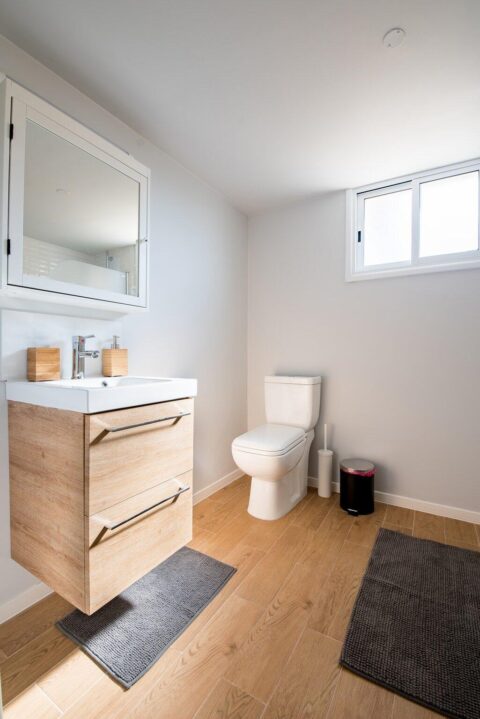
📍 Area 2: The Bathrooms
- Sink Faucets & Drains: Turn on the water and look for drips from the spout or handles. Feel the pipes under the sink for moisture. Is the drain slow? That’s a sign of a developing clog.
- The Toilet Test: This is a big one. Put a few drops of food coloring in the toilet tank. Wait 20-30 minutes without flushing. If the color seeps into the bowl, you have a silent leak that’s wasting water and money!
- Tub/Shower: Check the caulking and grout. Is it cracked or missing? This allows water to seep into walls and floors. Turn on the shower and direct the spray at the walls and door to check for leaks.
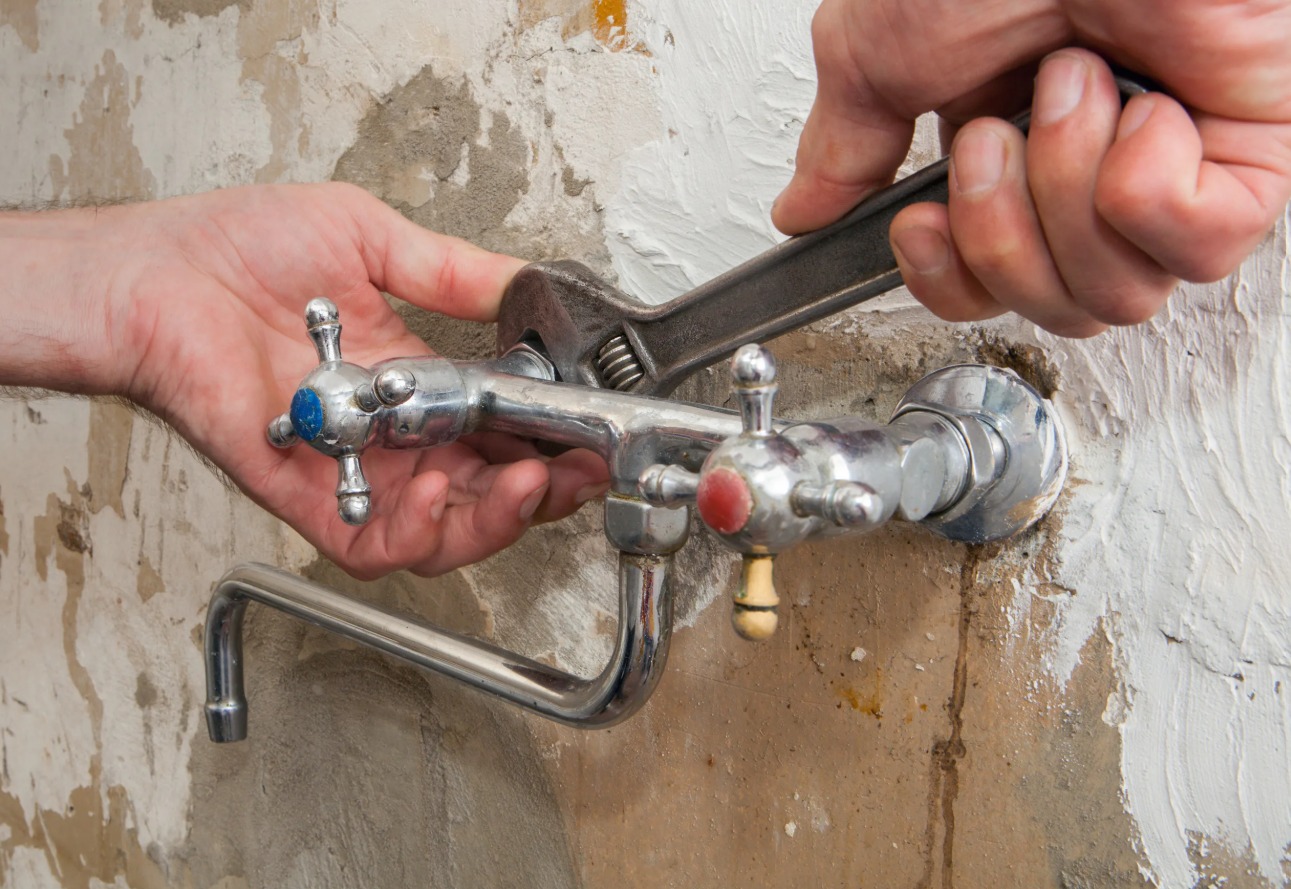
- The Dripping Faucet: Don’t ignore that steady drip from your bathtub. It’s more than just an annoyance.
The experts at Blue Moon Plumbing say, “Most of the time, a leaking faucet is caused by worn-out washers, corroded valve seats, or damaged cartridges inside the faucet assembly. Over time, these parts break down due to constant water pressure and mineral buildup.” Catching this early makes for a much easier fix. Learn how to fix a dripping faucet.
📍 Area 3: The Basement, Garage & Utility Closets
- Water Heater: Look for any signs of rust or moisture on the tank, especially around the connections and the pressure relief valve. A small puddle can be a big warning sign.
- Main Water Shut-Off Valve: This is the most important valve in your house. Find it and make sure you know how to turn it off. Give it a test turn to ensure it’s not seized up.
- Visible Pipes: Scan any exposed pipes for signs of condensation, which can lead to mold, or corrosion (that greenish-white buildup).
- Water Pressure: A simple gauge from the hardware store can tell you if your pressure is too high (which strains all your fixtures) or too low.
What to Do With Your Findings
After your inspection, you’ll likely fall into one of three categories. Here’s a quick guide:
| What You Find | What It Means | Your Next Step |
| A few slow drains, minor drips. | Normal wear and tear. These are perfect DIY projects. | Tackle them on a weekend! Unclog drains, replace washers in faucets. |
| A persistent leak, low water pressure, a running toilet. | Issues that could get worse and lead to higher bills or water damage. | It’s time to decide: are you handy enough to fix it? If not, or if you’re unsure, it’s time to call a pro. |
| Significant pipe corrosion, a leaking water heater, no water, sewage backup. | Serious problems that can cause major damage or health hazards. | Stop using your water and call a professional plumber immediately. |
Your Home’s Health, Checked!
Congratulations! You’ve just taken a huge step in protecting your home and your wallet. Regular check-ups are the key to a healthy plumbing system.